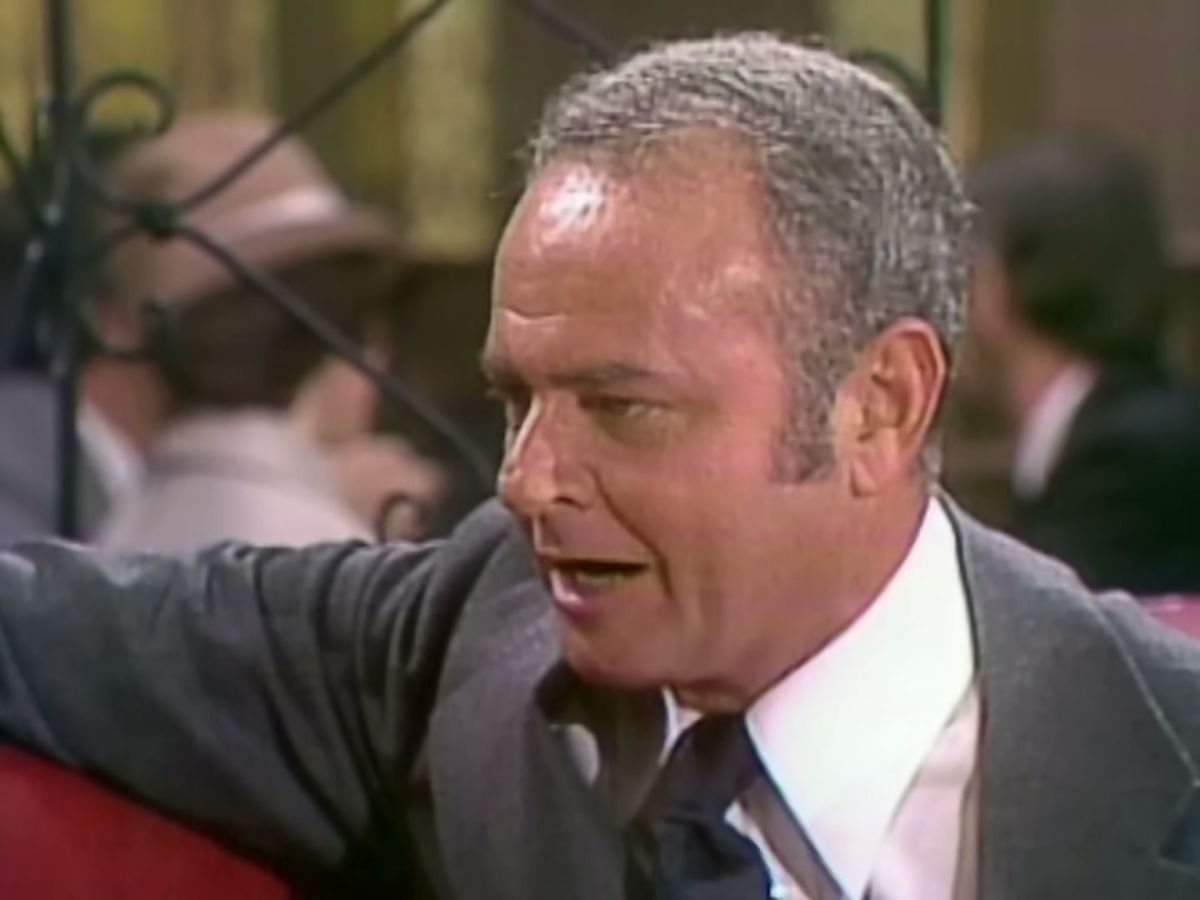
What makes a comedy scene hold together when its characters are trying to end a conversation? In the official Carol Burnett Show clip titled “Tim & Harvey’s Business Lunch Break Up,” the simple premise gives Tim Conway and Harvey Korman room to build a scene around timing, reaction, and the awkwardness of a conversation that has run its course.
This article is an editorial reading of the clip itself. It does not claim the sketch went viral, reached a particular number of viewers, was improvised at the last minute, or had a documented psychological effect. Those claims need reliable evidence, and the video alone cannot establish them.
A small premise with room to breathe
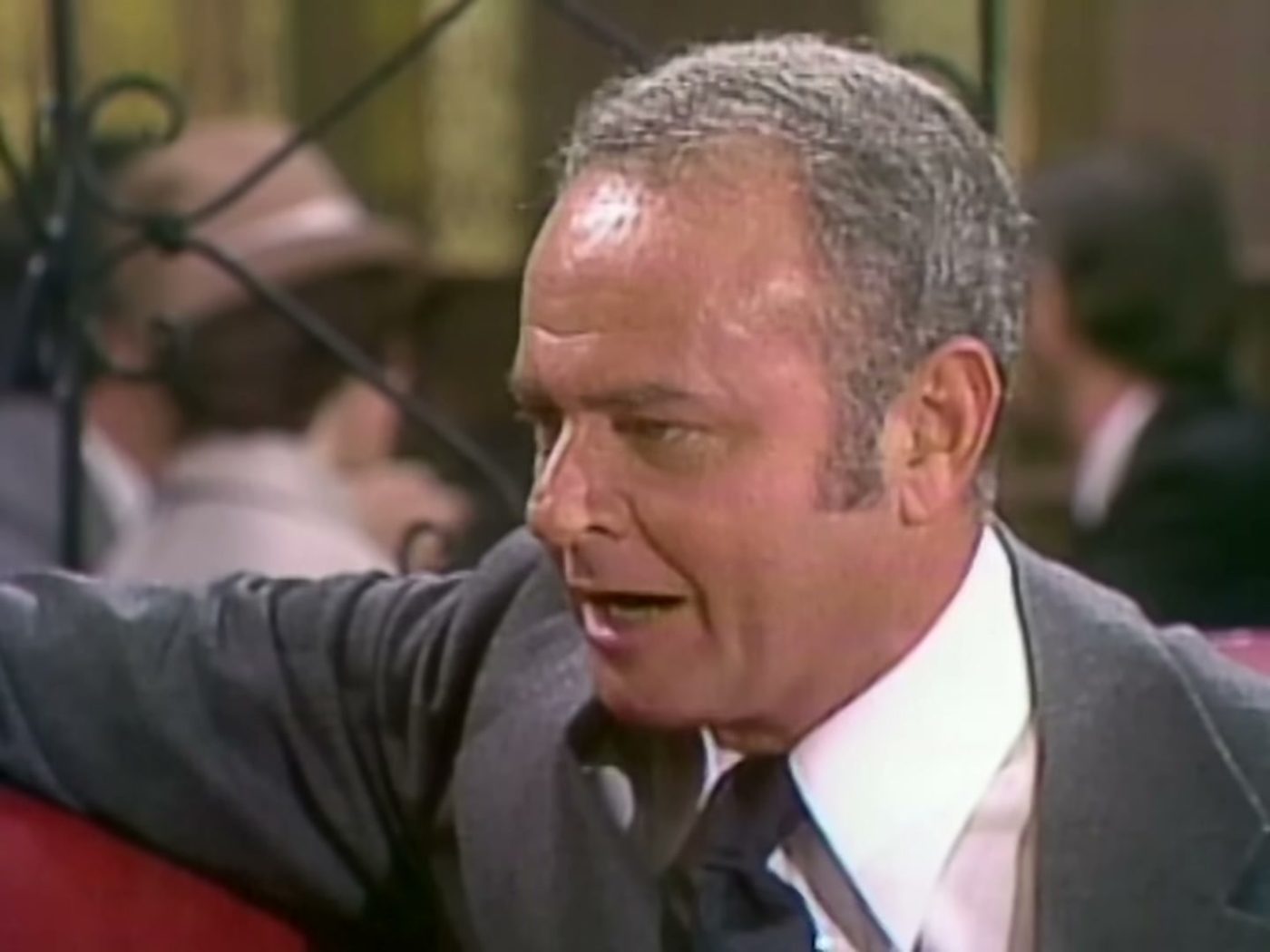
The clip is presented by its publisher as a business lunch break-up. That is an everyday situation with an instantly recognizable social problem: one person wants to bring an interaction to a close, while the other person’s words, manners, or timing keep the moment going. The comedy can grow from that gap. No elaborate world-building is needed; the audience already understands the basic tension of trying to end a conversation politely.
A useful comic premise is often easy to explain but difficult to execute. Here, the title points to a familiar setting and a clear direction for the scene. The performers can let the situation develop through exchanges and responses instead of stopping to explain why it is funny. That keeps attention on the performance: what is said, how it is delivered, and how the other person reacts.
This is also why a short scene can reward a second viewing. Once the setup is clear, the viewer can pay closer attention to small changes in pace and emphasis. A pause may feel different after the next line; a polite response can sound less neutral when it follows a particular look or interruption. Those are observations about performance, not proof of a hidden production story.
Timing is shared between the two performers
Comedy timing is sometimes described as though it belongs to the person delivering the punchline. In a two-person scene, the response matters just as much. One performer establishes a rhythm; the other either follows it, interrupts it, or lets a beat hang long enough for the audience to notice the tension. The effect comes from the relationship between the two sides.
Conway and Korman are remembered as a comic pair in the Carol Burnett Show ensemble. In this clip, the useful point for a viewer is not to label every moment as spontaneous. It is to watch how the exchange is shaped. A line creates an expectation; a response can confirm it, delay it, or turn it in another direction. When the rhythm changes, the audience has a reason to keep listening.
Silence can do work too. A brief pause gives the audience time to process what came before and anticipate what might follow. If the next response arrives too quickly, the contrast disappears; if it comes after a measured beat, the scene can feel more awkward or more pointed. The performers’ control of that space is part of the craft, even when the dialogue itself sounds casual.

Reactions make the situation legible
In an ensemble comedy scene, a reaction can carry as much information as a line. It tells the audience how a character receives what was just said. A small change in expression or posture may signal discomfort, impatience, politeness, or disbelief. The response helps viewers understand the social stakes without a narrator spelling them out.
That clarity matters in a scene built around an awkward interaction. If the audience can read the changing relationship between the speakers, it can follow the scene even when the exchange becomes increasingly uncomfortable. The performer receiving a line is not simply waiting for a turn to speak; that character’s response shapes how the previous line lands.
It is better to describe what the clip visibly gives us than to invent details about what the actors were thinking. A viewer can discuss facial expression, pauses, delivery, and the change in tone. A viewer cannot infer from a finished recording alone that a performer was surprised, that a line was written at the last moment, or that a director deliberately preserved a particular take. Those claims require interviews, production records, or other dependable sources.
Why the setting helps
A business lunch comes with social expectations. People are expected to remain composed, listen, and keep the conversation within an acceptable range. That formality gives comic behavior a clear backdrop: even a modest departure from the expected tone can stand out. The audience does not need a long explanation of the rules; it recognizes the setting and supplies them.
Ordinary settings also make character behavior easy to compare. The more familiar the situation, the more clearly a change in behavior registers. A routine exchange can become amusing when it lasts longer than expected, when a polite convention is stretched, or when one person does not respond in the way the other seems to expect. The contrast between the setting and the interaction creates the comic frame.
This is a reading of the scene’s premise, not a claim about how every viewer responds. People have different tastes, and a sketch that works for one audience may not work for another. A grounded review can explain why a technique may be effective without presenting that interpretation as a universal fact.
What viewers can look for on a rewatch
Try watching once for the basic situation, then again for the structure. Notice when the scene establishes its rhythm and whether that rhythm changes. Pay attention to the space between a line and its response. Does a pause invite a laugh, create uncertainty, or make the next line feel more direct? The answer can vary from moment to moment.
Then watch the person who is listening. How does that performer signal that the exchange has changed? Does the response match the words, or does delivery add another layer? Looking at both performers makes the scene easier to appreciate as a collaboration rather than a sequence of isolated punchlines.
Finally, consider how the premise stays understandable. A scene can become more layered while keeping a simple center. The audience still knows what kind of interaction it is watching, even as the timing and reactions give the exchange new texture. That balance between a clear setup and carefully shaped performance is one reason a familiar situation can remain engaging.

What this clip does not prove
A short performance can support a close reading, but it cannot support every claim that has circulated around it. We have not found a reliable source for a specific view count, a claim that the clip broke the internet, a story that a joke was rewritten during rehearsal, or an assertion that psychologists have documented a particular effect caused by this video. Those statements have been removed from this article.
Likewise, a clip’s humor does not establish a medical or psychological benefit. Someone may say that a comedy scene improved their mood, and that can be a genuine personal response. It should not be rewritten as evidence that a video cures anxiety, changes brain chemistry, or produces the same effect in everyone.
Separating observation from background reporting makes an entertainment article more useful. The reader can see which comments are our interpretation of the scene and which facts come from the publisher. If future reporting adds a trustworthy interview or archival source about the sketch’s production, that can be included with a clear attribution. Until then, it is more accurate to leave the rumor out.
A compact example of ensemble craft
The business-lunch premise gives the performers a recognizable situation; the exchange gives them a structure; timing and reaction give that structure shape. That combination is a practical way to understand why a sketch can hold attention without relying on spectacle. The humor depends on the choices made in the scene and on how those choices work together.
For viewers, the simplest invitation is to watch the official clip and focus on the interaction. Which beat makes the scene shift? How does each performer help the audience understand the moment? What changes when the pace slows or a response lands differently than expected? These questions leave room for personal taste while keeping the analysis tied to what is actually on screen.
The best reason to revisit the clip is not an unsupported promise that everyone will laugh or that the video has a particular online record. It is the chance to notice how a familiar social situation becomes a performance through dialogue, pacing, and the work of two comic actors. That is enough to make a thoughtful short review—and a more honest one.

Source and editorial note
Primary source: The Carol Burnett Show Official — “Tim & Harvey’s Business Lunch Break Up”. The article’s analysis is based on the published clip and is identified as commentary. No audience statistics, health claims, or behind-the-scenes production claims are made without a separate source.
Leave a Reply